
Is it Dangerous to Travel to Turkey: The situation whether it is safe to travel to Turkey or not largely depends on what part of this country you intend to go to and how aware you are about the situation. To the great majority of the millions of tourists who visit every year, Turkey is a friendly and stable country. Nevertheless, as any large global center, it has a complex security map that forces tourists to differentiate between busy tourist spots and the permeable border territories.
At present, traditional tourist locations such as Istanbul, Cappadocia, Antalya, and Aegean coast are active and are well-patrolled with security and protective measures that match with other large European locations. Although part of the regions around the southeastern borders are under strict travel advisories, the key tourist destination areas are hundreds of kilometers apart and normal operations. The guide will offer you a balanced, factual view of the safety situation in Turkey in 2026 and therefore plan to visit the country based on research, rather than the headline.
Is it Dangerous to Travel to Turkey?
In simple terms, Turkey is not a country that qualifies to be regarded as a threat to the average tourist, but one of the countries where the only advice that the international community would give is that such caution should be increased. The security situation of Turkey is two-fold: the western and central tourist areas are very safe, whereas the southeastern provinces being very close to the borders with Syria and Iraq pose serious threats to the tourists that the majority of the travelers would not take.
The risk is maintained at the same level in popular areas in the year 2026. Normal life in places such as Istanbul and Izmir does not hinder tourism greatly. Nevertheless, the local geopolitical issues in the Middle East may sometimes result in an increase in security level or demonstrations in cities. Political risks are not very probable to people that follow the so-called “Classic Turkey” routes, but petty crimes in the streets or typical tourist scams.
Travel Safety Situation in Turkey
By the beginning of 2026, Turkey is still putting a lot of money into its tourism infrastructure and security. Security check is an order of the day at the airport, shopping malls, metro stations and large historic sites. These controls are intended as proactive, and are usually regarded by the traveler as being a reassuring aspect instead of alarming.
The political environment and general crime are rather stable (World Bank, 2013).
The rates of crimes in Turkey are statistically low in comparison with some of the Western European countries. Attack on tourists by violence is extremely uncommon. As far as politics is concerned, Turkey is active and although protests take place, they are often local and focus on inner matters. The majority of government travel warnings include warnings of high levels of caution mainly because such meetings happen, and the bigger security situation of the region as a whole but not because the average vacationer is at risk.
Turkey Safest Areas to Visit.
The majority of the travelers will be visiting areas that are highly familiar with foreign tourists. Such places are densely populated with the police and tourist-specific police forces.
- Istanbul: In the neighborhoods such as Sultanahmet, Beşiktaş and Kadikoy. There is 24/7 surveillance of these areas.
- The Aegean Coast: Cities such as Izmir, Bodrum, and Marmaris are very Westernized and they are relaxed and safe to have holidays.
- Aegean Coast (Turkish Riviera): A resort center like Antalya and Fethiye is one of the global resorts, where the local government attaches great importance to the safety of its residents.
- Cappadocia: This main city can be regarded as one of the safest areas in Turkey with a community-oriented environment and minimal crime rates.
Places which can use additional care.
In Turkey safety is very geographical. The west is peaceful, but the southeast needs another type of investigation.
Border Regions
The U.S. State Department and the UK Foreign Office have consistently issued official advisories to avoid all forms of travel within 10 kilometers to the Syrian and Iraqi borders. These areas are also under military control and an increased security threat compared to the rest of the nation.
Southeastern Provinces
Phases like Şirnak and Hakkari are considered as non-essential traveling when the security situations are unpredictable. Although these regions have beautiful sites of historical nature, they are outside the mainstream tourist route and only visited by people who have a deep experience in the area or who have professional motives to visit.
In Turkey crime and personal safety.
The most common problem that travelers experience is petty crime. The pick pocketing and bag snatching may take place in crowded places such as in the Grand Bazaar in Istanbul or the bustling streets of Beyoğlu.
Common Scams
- The Friendly Stranger Scam: A local person might approach you to have a friendly chat and invite you to a bar or club and then present you with a huge bill which you cannot negotiate.
- Taxi Meters: It is always your principle to ensure that the taxi meter is on. There are drivers at tourist areas who might assert broken meters in order to favor a higher flat rate.
- Shoe Shine Scam: A shoe shiner can drop a brush in your face; pick it up, and he/she will give you a free shine, but you will soon find yourself being demanded to pay.
Practical Advice: Use the ride-sharing apps such as BiTaksi or Uber, as they are reputable, which means it guarantees transparent pricing and monitored paths.
Terrorism and Political Issues.
Turkey has a history of managing the risk of terrorism and security personnel are very vigilant. Though it has been happening at some point in the past, it is very unlikely to happen in the tourist areas nowadays because of the strengthened security measures.
It is recommended that travelers should be aware of the current situation in crowded areas of the population, including transport hubs and large government complexes. Political demonstrations are made easily particularly around Taksim Square in Istanbul or Kizilay in Ankara. To be on the safer side, one should not listen in these meetings at all since even peaceful marches may lead to a heavily-tuned police crackdown or arrests.
You may also like it:
Albany Beach Australia: Guide, Safety, Tips, and Travel Advice
Bran Castle Tours from Brasov: Best Day Trips, Routes & Tips for 2026
What to Expect Visiting Alaska Alaska AJU Tour, Highlights and Travel tips 2026
Travel Hacks cwbiancavoyage: Intelligent, Pulpmastery Travelfore tips to make 2026 Travels Easier.
Solo Traveler and Women Safety.
Turkey is regarded as a tourist destination friendly to the solo female traveler and most of them say that they do not feel as unsafe as they do in the big cities of the Western world. But to have an easy experience, there is cultural awareness.
Cultural and dress issues
Dress codes in such cosmopolitan regions as Izmir or coastal resorts are highly liberal. Shoulders and knees are a sign of respect especially in more conservative areas or when attending a mosque. Having a light scarf is also a good practice among women in order to be ready to meet different cultural environments.
Solo Safety Tips
- Follow Your Gut Feeling: When something or a smiley invitation does not bode well, then it is better to say with authority, Hayır, Teşekkurler (No, thank you) and leave.
- Internet Availability: In Turkey, Internet connectivity is fantastic. When you use a local SIM card, you are in a position to keep your friends or family informed about your location.
- Stay out of the Dark Places: To walk at night, make sure to use well-trafficked and well-lit streets, as is typical of any city in the world.
Health and Natural Risks
The geography of Turkey poses some form of natural threat that tourists ought to consider and this is mainly earthquakes.
Earthquake Risk
Turkey is located centrally on a number of fault lines. Though the large earthquakes such as the one in 2023 were concentrated in the southeast, small tremors may happen there. Most hotels constructed in tourist areas today are better constructed to high seismic standards. Knowledge in the Drop, cover, and hold on protocol would be prudent, as well as finding emergency exits on check-in.
Traffic and Road Safety
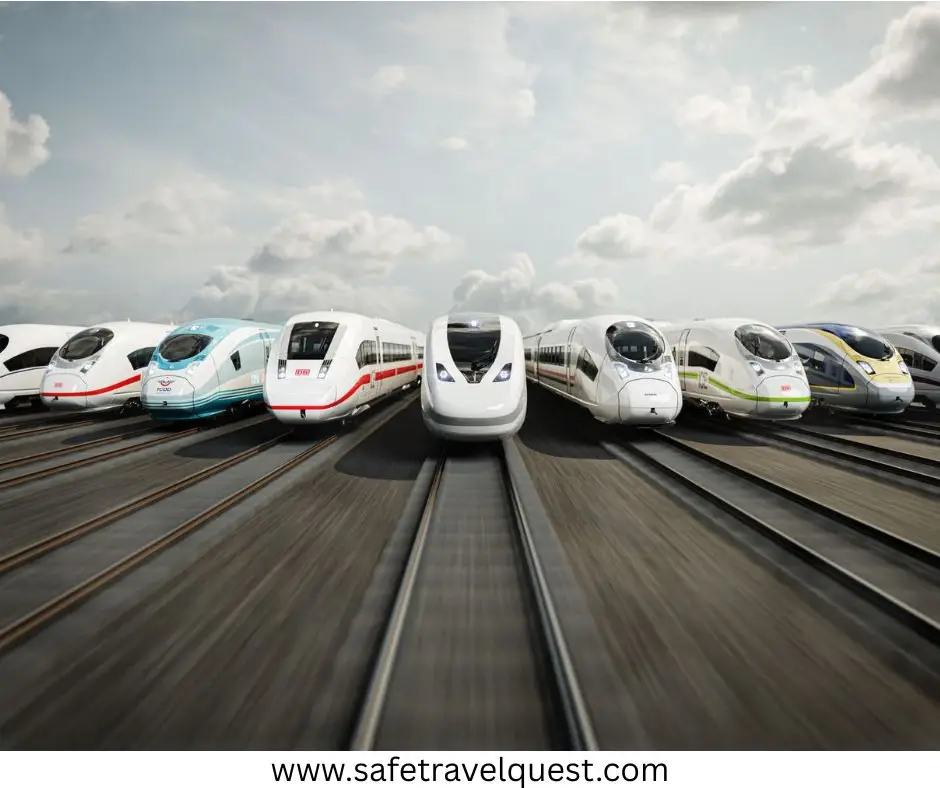
The traffic of big cities may be hectic. This can be the right-of-way signs or stop lights which drivers can disregard. Defensive driving is needed in case of renting a car. The high-speed trains, the modern metros, and the ferries are generally deemed to be safer and more efficient than the driving in the urban centers.
Essential Safety Travel Advice in Turkey.
- Follow Government Guidance: Review your embassy back at home before and during your journey.
- Carry Identification: The Turkish law mandates everybody to have a photo ID. An international identification document such as a photocopy of your passport is normally enough when taking day trips, the original should be stored in a hotel safe.
- Do not purchase Fakes Alcohol: Only purchase alcohol in licensed liquor stores (Tekel) or in well known bars. Cases of methanol poisoning by bootleg or homemade spirits have occurred occasionally.
- Emergency Number: Dial 112 to all the emergency services (Ambulance, Police, Fire).
Frequently Asked Questions
Is Istanbul a tourist safe destination?
Istanbul is usually safe to tourists. The vast majority of the visitors pass their time in Sultanahmet or Beyoğlu without any trouble. The security in these locations is also high, but you must be on the watch of pickpocketing and typical overcharging schemes in a bar or a taxi.
Is Turkey safe as a place of solo female travel?
Solo women will be safe in Turkey assuming that they observe standard precautions. There is very little harassment of tourists, although it is best to dress conservatively in more conservative districts, and to watch out against too much helpfulness of strangers.
Can you travel safely to Turkey at the moment?
Yes, to the great majority of the country. By 2026, the tourism industry will be operating in full capacity. The only reason why the travelers need not go close to the border areas of Syria and Iraq is that they are too far away to the main attraction sites such as Cappadocia or the Aegean coast.
Are tourist areas secure?
Yes, the security has been strengthened in tourist areas in Turkey. Metal detectors and bag X-ray machines are frequently found in the entrances of museums, malls and metro stations, so that visitors can be guaranteed a monitored environment.
Final Balanced Advice
Turkey is a nation of great hospitality and rich culture that will still be a rewarding destination in 2026. Although it is not risk-free (mainly, the regional tensions and petty crime), it is possible to address it with preparation and awareness. You will be able to enjoy the fantastic landscapes and history of Turkey without any doubts, by keeping up with the local news, not breaking the cultural expectations, and not visiting the restricted border areas. Pay a visit to Turkey like you would to any other big international destination: be conscious, be updated and experience the legendary Turkish hospitality.

I am a passionate writer who creates engaging, creative, and meaningful content that informs, inspires, and connects with diverse audiences.