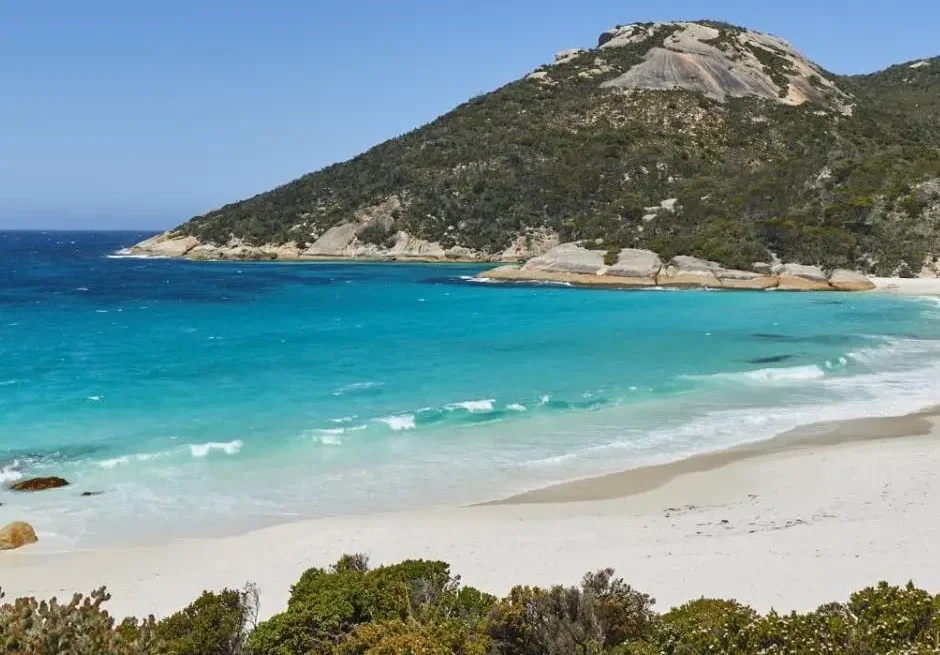

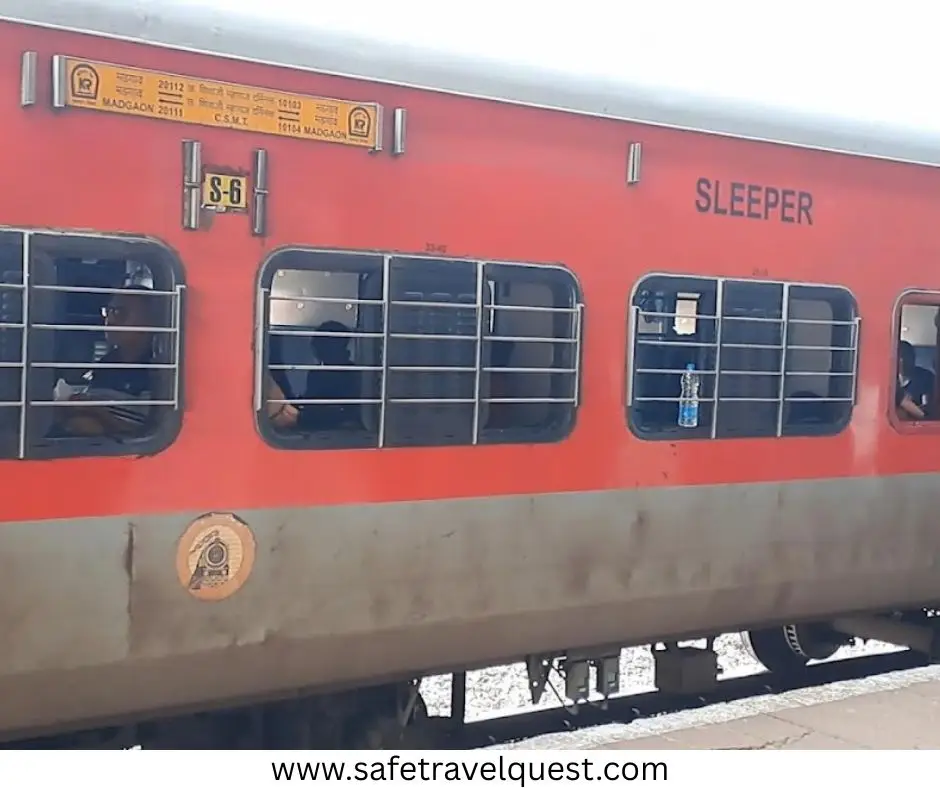
There are few train journeys in India as consistently beautiful, unhurried, and soul-stirring as the ride aboard the Mandovi Express. Running between Mumbai and Goa during daylight hours, the train gives you the rare chance to see the Konkan Railway in its full glory—lush hills rolling into the horizon, sudden glimpses of the Arabian Sea, long tunnels carved through the Western Ghats, and rivers shining under the afternoon sun.
You feel the journey before you even board the train. Stations in Mumbai begin to warm up as the day unfolds. The smell of fresh chai drifts through platforms, porters move purposefully among bags and families, and that familiar sense of anticipation builds as the Mandovi Express prepares for departure. By the time the train begins its slow glide out of the city, you’re already easing into a calmer rhythm—one that carries you all the way to Goa.
This guide helps you understand the Mandovi Express route, the highlights you’ll see along the way, train timings, booking options, travel tips, and why this particular Mumbai–Goa train journey continues to be a favorite among travelers.
Mandovi Express Overview
The Mandovi Express train connects Mumbai with Goa through the Konkan Railway. It operates as Train No. 10103 (Mumbai → Madgaon) and 10104 (Madgaon → Mumbai). The train covers roughly 580 kilometers, taking about 10–12 hours, depending on seasonal conditions, traffic, and operational halts.
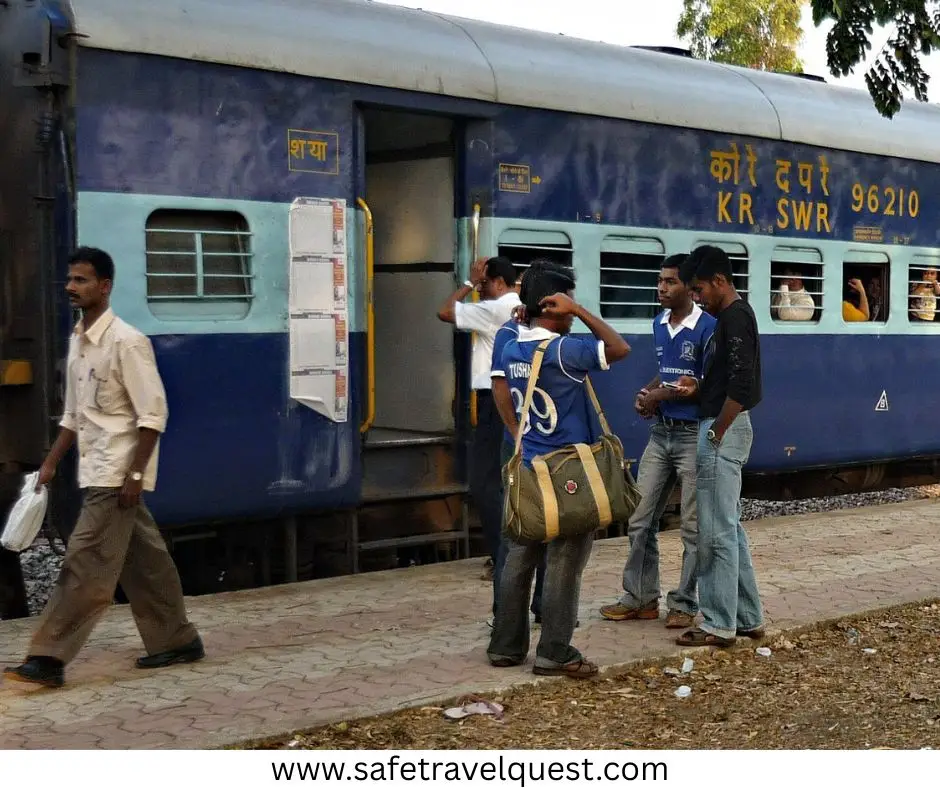
The beauty of this train lies in its timing. Unlike overnight trains, the Mandovi Express travels mostly in daylight, allowing passengers to fully enjoy the dramatic landscapes of the Konkan coast. The Konkan Railway Corporation, which manages this corridor, is known for its engineering marvels—tunnels, bridges, and mountain cuttings that transformed a once-difficult region into one of India’s most scenic rail routes (Konkan Railway).
It is not just a mode of transport. For many travelers, the Mandovi Express is the experience that begins their Mumbai–Goa holiday.
Routes and Major Stops
The Mandovi Express begins from CSMT (Chhatrapati Shivaji Maharaj Terminus) or Dadar, depending on operational schedules, and travels south along the Konkan coast.
Common major stops include:
• CSMT / Dadar
• Thane
• Panvel
• Roha
• Ratnagiri
• Khed
• Chiplun
• Thivim
• Madgaon (final stop)
The transition from urban Mumbai to the rural Konkan belt is almost cinematic. You leave behind crowded suburbs, overpasses, and industrial corridors and soon enter a world of rolling green hills, wide rivers, and palm-lined villages.
As the train approaches Ratnagiri and the deeper Konkan belt, the Western Ghats begin to rise sharply around the tracks. The Mandovi Express is famous for its tunnel sequences—dozens of them—created to help the train navigate through mountains rather than around them. Many tunnels open suddenly into bright views of valleys or rivers, creating a gentle, rhythmic shift between shadow and light.
For real-time route updates, schedules, and alerts, travelers usually check Indian Railways NTES (NTES Train Enquiry) or book tickets through IRCTC (IRCTC).
Why the Mandovi Express Is Famous
Travelers often call the Mandovi Express the most scenic daytime train in India. While other routes may have dramatic mountain or desert views, few offer the variety of landscapes that the Konkan Railway delivers in one continuous stretch.
Scenic Marvels the Train Is Known For
Long rivers and deep valleys
Bridges over rivers like Vashishti and Savitri offer sweeping views of water shimmering below as fishing boats drift quietly through estuaries.
Endless tunnel sequences
The Western Ghats present steep terrain, and the Konkan Railway overcame this with dozens of tunnels. Passing through them becomes a rhythmic part of the journey—darkness followed by bursts of sunlight and greenery.
Western Ghats landscapes
Steep cliffs, dense tropical forests, and misty slopes make the ride feel like a moving postcard. During monsoon months, waterfalls emerge along the rocks.
Arabian Sea glimpses
While not continuous, certain stretches offer brief but unforgettable views of the sea glowing under the sun.
Konkan villages and coconut groves
Traditional red-tiled houses nestled among coconut trees create a serene countryside atmosphere.
Tourism boards often highlight this route as one of India’s most rewarding train journeys (Incredible India).
Scenic Highlights Along the Journey
A detailed look at what you’ll see makes it clear why the Mandovi Express travel guide is essential for anyone visiting Goa from Mumbai.
Sahyadri Foothills
As the train leaves Panvel and heads toward Roha, the landscape transitions into the foothills of the Sahyadris. Low mountains rise in soft curves, their slopes covered in forest and monsoon-fed vegetation.
Coconut Groves
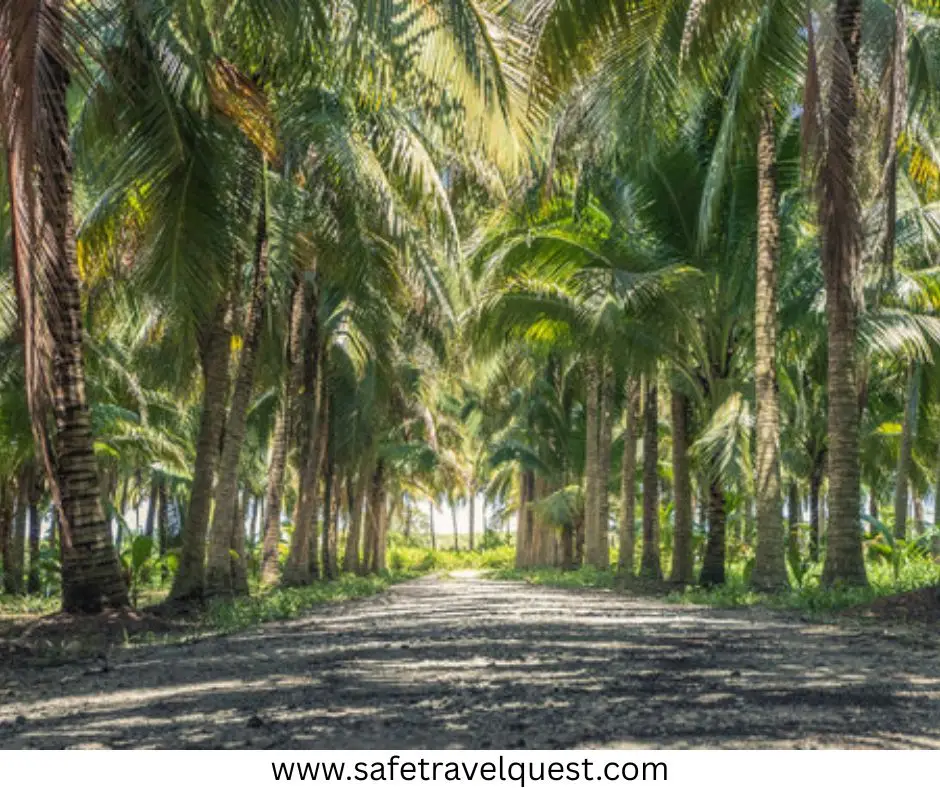
Near Chiplun and Khed, endless lines of coconut palms sway with coastal breezes. The tree canopies flicker with sunlight as the train moves past small hamlets and paddy fields.
Backwaters and Estuaries
The Mandovi Express often skirts the edges of backwater regions where rivers widen and slow. Still water reflects the soft blue sky, creating some of the calmest scenes of the journey.
Glimpses of the Arabian Sea
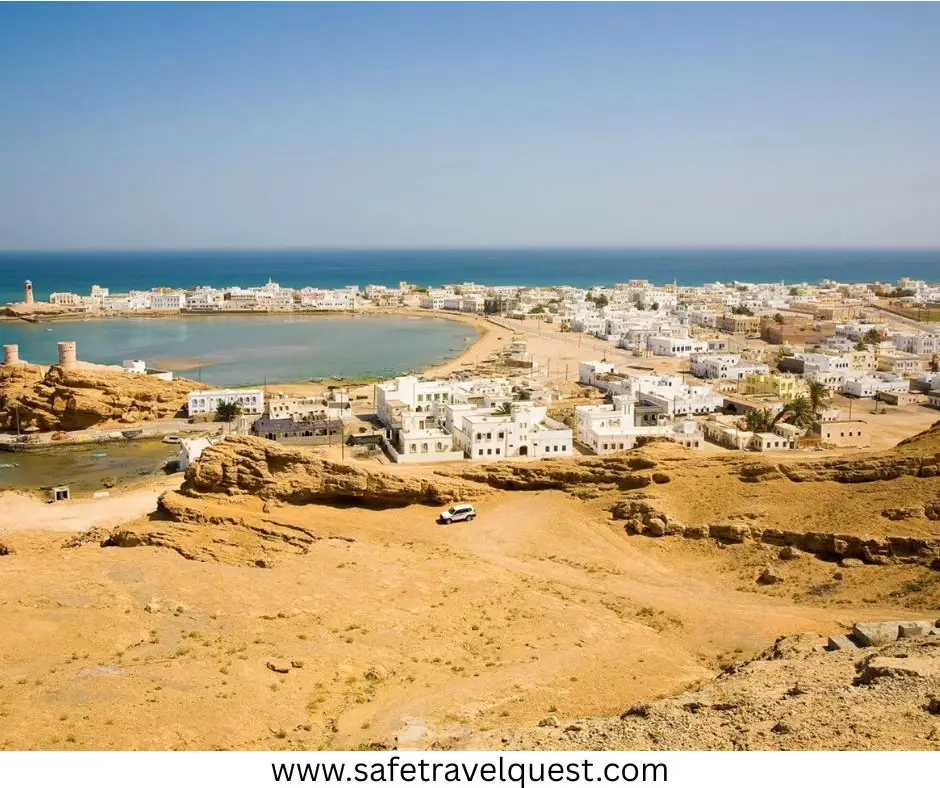
Though brief, these appear between Ratnagiri and Rajapur Road on clear days. The coastline seems to glow beside the train, a quiet hint of the beaches that await in Goa.
Paddy Fields and Quiet Villages
Flat green fields stretch long across the Konkan plain. Farmers, cattle, and small roadside chapels dot the view, adding to the rhythm of rural life.
Monsoon Waterfalls
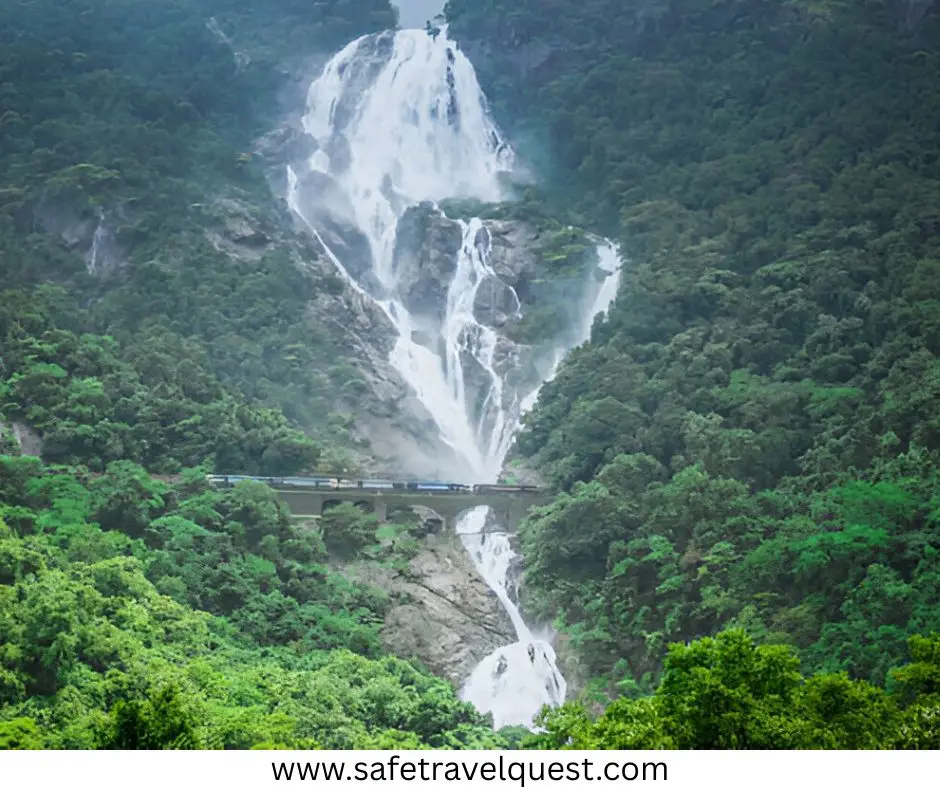
If you travel between June and September, the Mandovi Express becomes a moving window onto dozens of waterfalls cascading down steep cliffs.
The scenic variation—forest, sea, hills, and rivers—makes this route a favorite among domestic and international travelers.
Train Timings and Schedule
The Mandovi Express typically runs during the day, which is exactly why it is so beloved. Passengers enjoy full visibility through the Konkan belt.
Schedules vary, but travelers can always confirm updated timings through:
• IRCTC (IRCTC)
• NTES (Indian Railways NTES)
Morning departures from Mumbai allow the most scenic daylight experience. Arrivals in Goa are often timed for late afternoon or early evening, giving enough time to check into hotels and relax.
Delays may occur due to:
• heavy monsoon rains
• tunnel maintenance
• rail traffic around Ratnagiri
Despite this, the Mandovi Express is known for steady, predictable operation.
Onboard Experience
Aboard the Mandovi Express, the journey feels unhurried and comfortable. Travelers often say that, unlike night trains, the daytime ride invites conversation, photography, and a deeper appreciation of the Konkan Railway route.
Food on the Mandovi Express
The train is known for a surprisingly enjoyable onboard food experience. Vendors offer:
• fresh idlis
• vadas
• omelets
• cutlets
• tea and coffee
• seasonal fruits
The pantry car also serves meals, and many travelers enjoy having lunch while looking out over river valleys or coconut orchards.
Window-Seat Benefits
The Mandovi Express is made for window seating. With constant scenery outside, even a short nap feels like a missed opportunity.
Coach Comfort
AC coaches remain cool throughout the day, while non-AC compartments fill with natural breeze through wide windows. Seating is comfortable for long hours.
Crowd Levels
Weekends and holiday seasons are busy, especially with travelers heading to Goa. Weekdays are calmer, though still lively with tourists and students.
Best Time of Year to Travel on Mandovi Express
Different seasons bring different moods to the Konkan Railway.
Monsoon (June–September)
This is the most magical time to ride the Mandovi Express. Waterfalls appear everywhere, forests turn deep green, and the air is cool and misty. But delays are common. Travelers often check weather updates from the India Meteorological Department (IMD) before travel.
Winter (October–February)
Clear skies, pleasant air, and crisp visibility make this the most comfortable time for reliable travel. Scenic views are bright and expansive.
Summer (March–May)
Coastal heat rises sharply, but the train’s breezy open windows and AC coaches make the journey manageable. Summer sunsets over the rivers and hills can be stunning.
How to Book Tickets
Booking the Mandovi Express train is easy when you use India’s official online system.
Read:Kanpur to Prayagraj Distance: Best Routes, Timing, and Travel Tips 2026
IRCTC Booking
Use the official portal for ticket reservations:
IRCTC (IRCTC)
Tips for better booking:
• Book early for weekends or holidays
• Choose window seats (WS) whenever possible
• If traveling in monsoon, prefer AC coaches
• Keep your ID details ready for quick checkout
Tatkal Option
If you’re booking last minute:
• AC Tatkal opens at 10 a.m.
• Sleeper Tatkal opens at 11 a.m.
Having complete passenger details and payment options ready helps secure a seat quickly.
Safety Tips for Long-Distance Train Travel
The Mandovi Express is a safe and comfortable train, but simple travel habits improve the experience even further.
Keep bags secure
Use small locks for luggage stored under seats. Keep valuables in a daypack near you.
Avoid standing at open doors
The scenic route can be tempting, but safety should come first.
Buy food only from official vendors
Indian Railways provides guidance on safe travel practices through its official resources (Indian Railways Safety).
Read:Gwalior to Prayagraj Distance: Best Routes, Timing, and Travel Tips
Stay hydrated
Long journeys can be tiring, especially in summer. Carry a bottle of water and small snacks.
Travel Tips for Enjoying the Journey Fully
Choose the right side of the train
For Mumbai → Goa:
• Left side offers more coastal and valley views.
Keep your camera ready
The scenery changes quickly—tunnels, rivers, cliffs.
Plan your meals
Lunch onboard during the Ratnagiri–Thivim stretch pairs beautifully with the views.
Carry essentials
• A light jacket
• Sunglasses
• Snacks
• Phone charger
• Compact towel
A small kit ensures comfort throughout the scenic ride.
Read:Prayagraj to Varanasi Train: Best Timings, Routes & Travel Tips
Final Thoughts
The Mandovi Express is more than a train—it is an experience that captures the drama and beauty of the Konkan coast. As the journey unfolds from Mumbai’s energetic streets to Goa’s tropical calm, every mile offers something to savor: the curve of a hillside dotted with waterfalls, a river shining under a high sun, or the scent of coconut groves drifting into open windows.
It remains one of India’s most beloved long-distance daytime journeys because it brings together comfort, scenery, and the timeless charm of rail travel. Whether you’re a first-time visitor or a seasoned traveler, the ride on the Mandovi Express sets the tone for an unforgettable trip to Goa.
FAQs
What are the Mandovi Express timings?
The train usually departs Mumbai in the morning and reaches Goa by late afternoon or early evening. Confirm the latest schedule through IRCTC or NTES.
Which side of the train has the best views?
On the Mumbai → Goa route, the left side offers the most dramatic scenery—valleys, waterfalls, and occasional sea views.
Is the Mandovi Express safe for solo travelers?
Yes. With basic precautions, the route is comfortable and safe for solo travelers, including women.
How do I book Mandovi Express tickets?
Bookings can be made through IRCTC. Tatkal is available for last-minute travel.
What is the most scenic season to ride the Mandovi Express?
The monsoon season is breathtaking, though winter provides clearer views and fewer delays.
Is food available on the train?
Yes. The onboard pantry serves meals, and vendors offer snacks, tea, and breakfast throughout the journey.

I am a passionate writer who creates engaging, creative, and meaningful content that informs, inspires, and connects with diverse audiences.