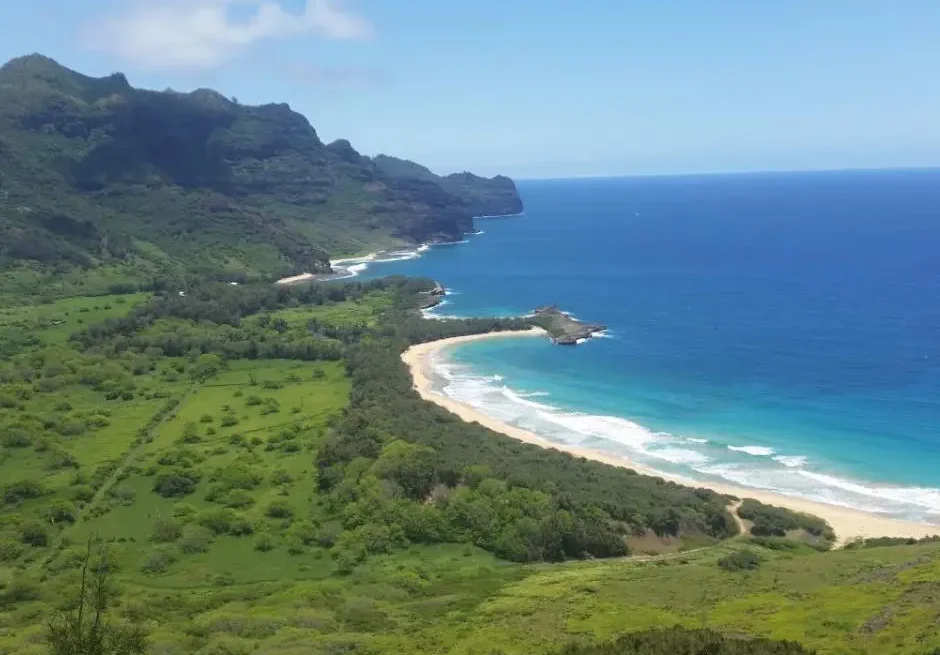

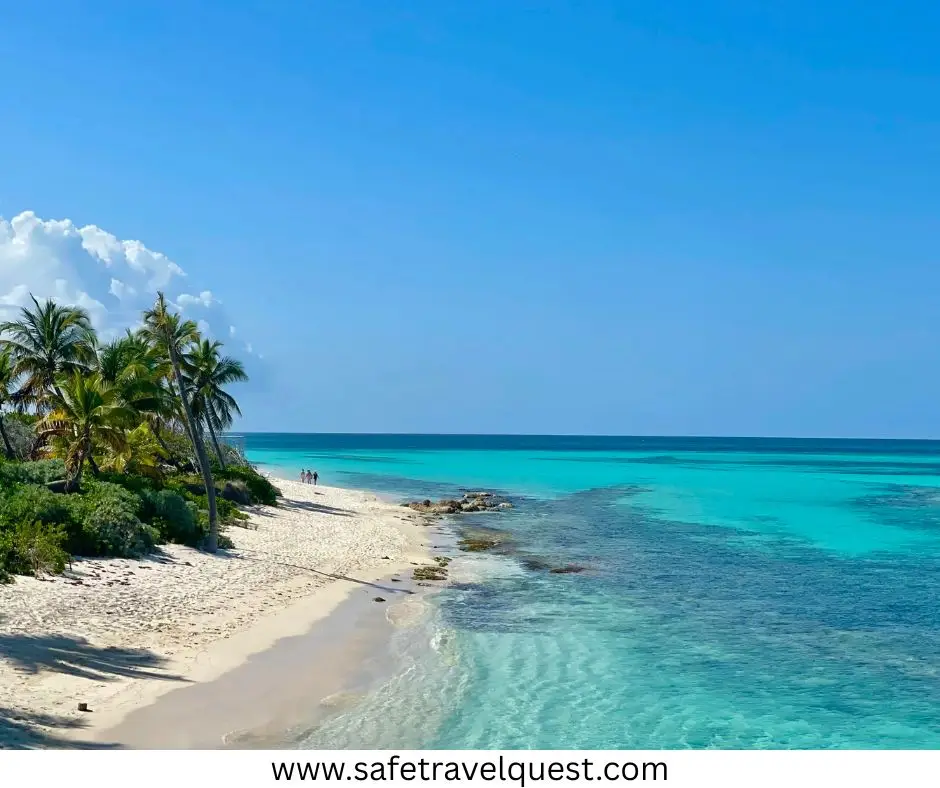
The Anguilla beaches are popularly regarded as the gold medal of the Caribbean coastline and their sand is very soft and of powder white colour and their water is a glow of turquoise. As a British Overseas Territory in the northeastern Caribbean, the island is a flat coral and limestone piece which has 33 different beaches that provide the level of calmness and clarity usually unavailable elsewhere. Anguilla beaches are particularly sought after by the travelers to find a private, luxury refuge where nature and its sceneries are the major attractions.
Anguilla offers a wide array of coastlines cuisine, whether seeking the panoramic and global Shoal Bay or the exotic and secluded Little Bay. This guide provides an insight into the geography, timing during the season, and the necessary safety aspects of visiting such shores. Since the island is still less upscale than its surrounding, it is essential to gain insight into the practicalities of accessing the beach and the conditions on the ground to effectively plan the trip.
What Is Anguilla and What Is So Special about Its Beaches?
Anguilla is an island with slenderness and is small in size as well as is found in the north of St. Martin and in the east of Puerto Rico, which lie in the Leewards. It is also relatively flat as compared to mountainous peaks of the Virgin Islands or the St. Lucia, a topographical feature which directly leads to the beach quality. The sea around Anguilla is unusually clear, and the view is frequently at least 100 feet. Mountain runoff no longer clouds the water.
The popularity of the beaches of Anguilla is the result of a mixture of geology and preservation. They are made of sand mostly of the crushed coral and shells which make it cool to the touch in the middle of the day too. Moreover, Anguilla has not succumbed to high-rise construction that is witnessed in other islands and therefore, palm trees and sea grapes are always on top of the horizons instead of towers made of concrete. This barefoot luxury image attracts a high-class client who wants privacy and nature.
Anguilla Beaches overview.
This has 33 publicly accessible beaches on the 12-mile island. The overall length of the coastline is not very long, but the range of the terrains is amazing. You will have great, sweeping bays, more than a mile long, and also small, secret coves, hiding behind limestone cliffs.
- Sand Quality: The sand is always fine and white and is usually termed as sugar sand.
- Water Conditions: Atlantic side (north) has a little more waves action whereas the Caribbean side (south) has calm and pool like conditions.
- Beaches: It is a feature of even the busiest season, to encounter areas of sand where no other customer is to be met, especially at the eastern and western extremities.
Anguilla Beaches – the best time to visit them.
December to April is the most appropriate season to visit Anguilla when the weather is conducive to the beach. The weather is the driest, the sun is most reliably shining, and the temperatures are comfortable, usually not higher than in the low 80s (Fahrenheit). The months of February and March are usually drier so that rarely a day on the beach is cut short by rain.
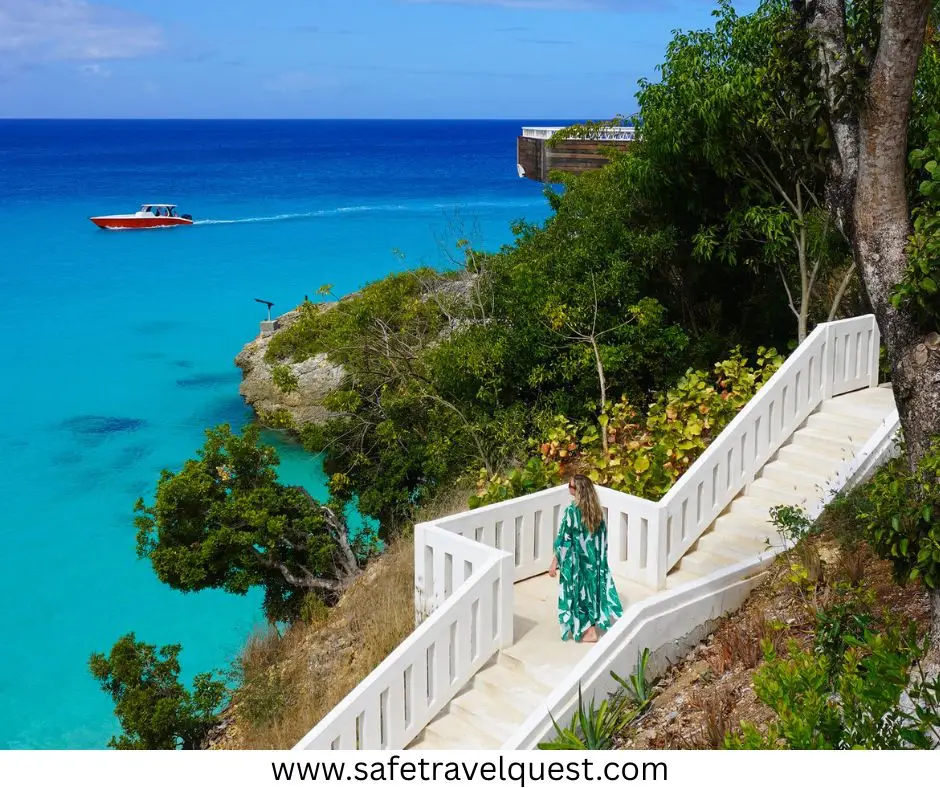
The Atlantic hurricane season is something that should be kept in mind by travelers, and it officially dates between June 1 and November 30. September and October are the months with the highest risk of tropical storms; in the meantime, most of the stand-alone restaurants and boutique hotels in the island are shut to undertake repair works. Accommodation prices and beaches are also very quiet, although the heat and humidity are much more extreme, in case you decide to be there at the shoulder season (May to July).
Are Anguilla Beaches visitor-safe?
Anguilla is also a commonly cited safest island in the Caribbean. But, in the case of the ocean, there are safety measures that must be taken. In Anguilla, the majority of beaches have no full-time lifeguards and therefore visitors have to be self-sufficient and conscious of their own surroundings.
Read:Flight 441 Bermuda Triangle Travel Route: History, Safety and Facts.
Swimming and Sea Conditions.
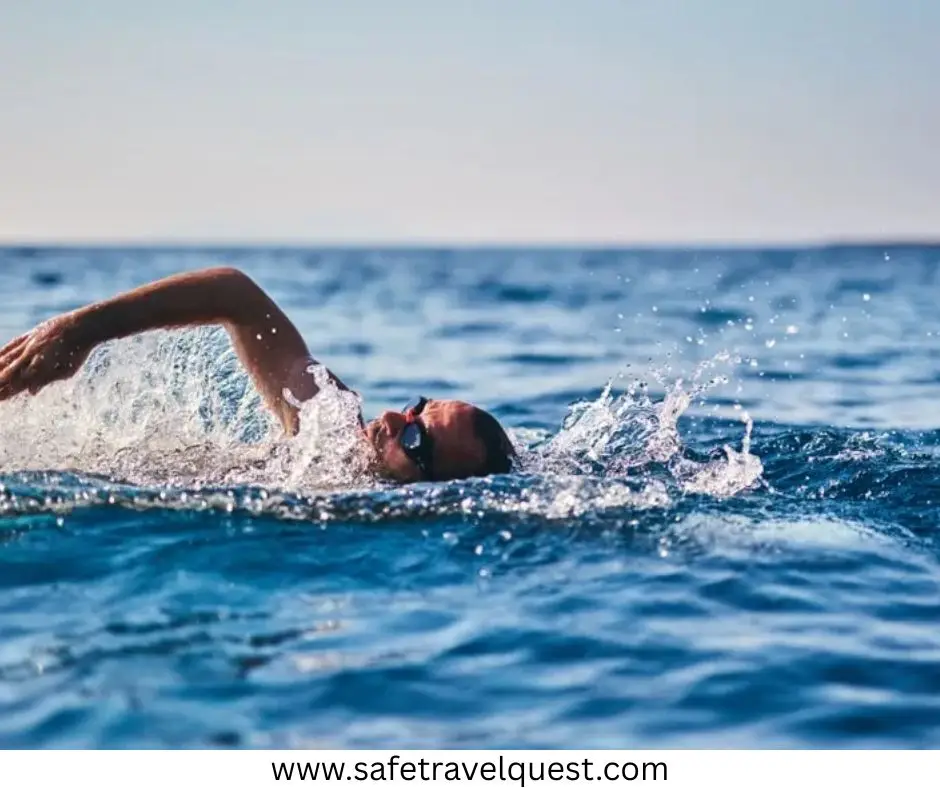
Most of the bays such as Maundays or Meads Bay are under slight slope and are calm but the northern beaches may have strong undertows and north swells during the winter season. Never jump into water without first looking for a few minutes. When you find there are enormous crashing waves or churning sand close to the shore, then it is better to remain in the shallow places.
Marine Life and Wildlife
The sea environment is usually friendly. There are the chances to witness sea turtles, stingrays and other fish of the tropics. Although the sharks may be found in the deep waters of the Caribbean, it can hardly be seen in the waters surrounding the swimming beaches and when they are seen, they are of non-aggressive species such as the nurse sharks.
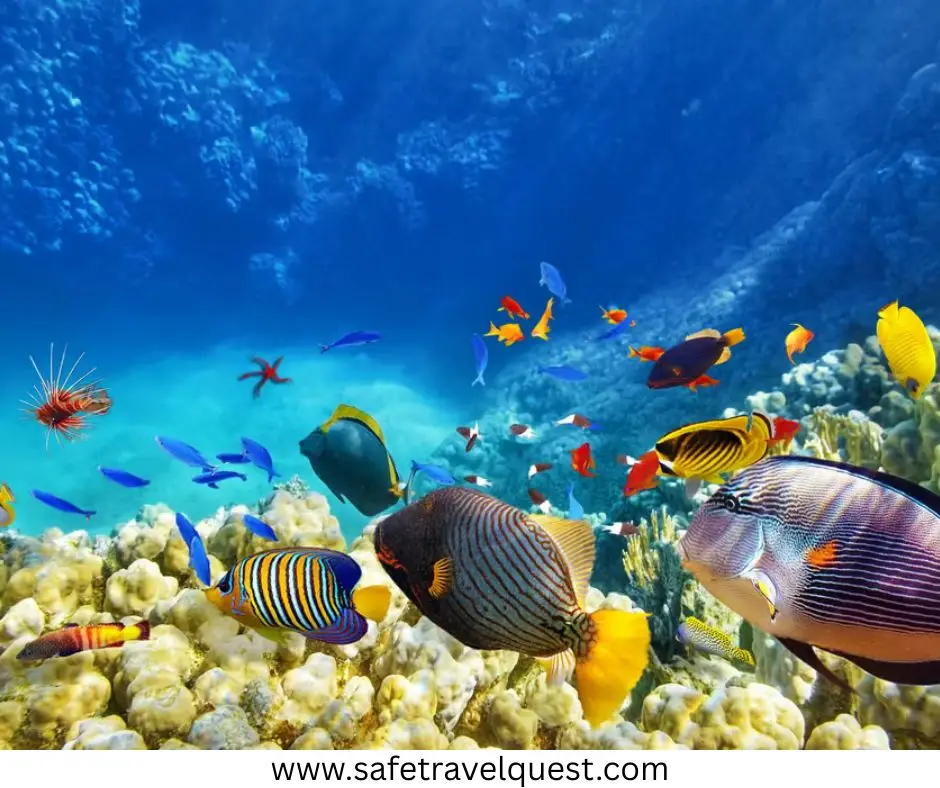
To prevent small injuries, pay attention to sea urchins in the vicinity of the rocky places and do not touch coral reefs which may lead to skin irritations and damage the fragile ecosystem.
General Advice
Anguilla Beaches are perceived to be safe during the day when one is alone or together with family. There is the possibility of petty theft, which is uncommon; it is prudent to leave unnecessary valuables and huge sums of money in your hotel safe than leaving them without watching over them in a towel.
Read:Lightweight Folding Travel Walker with Seat : Ultimate Guide
Best Beaches in Anguilla
- Shoal Bay East: It was regularly rated the best beach on the planet, and a two-mile long stretch of blindingly white sandy shore with a colorful reef right offshore makes it the best place to snorkel.
- Meads Bay: This is the luxury center of Anguilla, which is situated at the West End. It is an expansive, gorgeous beach ideal to walk and swim, with some of the most well-known restaurants on the island.
- Rendezvous bay: This is a crescent shaped bay that has a magnificent view of the mountains of St. Martin on the other side of the channel. The water body is shallow and still, hence popular with young children in families.
- Maundays bay: It is the ideal semi-circle of sand and the Cap Juluca resort is found there. The water is exceptionally calm and clear turquoise.
- Little Bay: A small, isolated cove that is enclosed by high cliffs. One can access it best by a short boat ride off Crocus Bay and it is known to have the best snorkeling and cliff-jumping sites.
Activities to be done in Anguilla Beaches and in Anguilla.
Relaxation is the most popular form of activity in Anguilla, although there are a few low-impact adventures that can be pursued in the area.
- The most popular leisure activity is snorkeling and numerous reefs are available immediately off the beach at Shoal Bay East or Island Harbour.
- To have a more extreme day, several tourists rent a boat to go to The offshore cays (which include Sandy Island or Prickly Pear Cays) and experience “castaways” with tiny beach bars and clean reefs.
- Cove Bay or Crocus Bay, where the water is also flat, is ideal when doing kayaking and stand-up paddleboarding.
- Taking a stroll through Rendezvous bay during the night at sunset is another local activity which may culminate in live music in one of the independent beach bars.
Facilities and Accessibility.
Anguilla has 33 public beaches. A luxury resort may be located in front of a beach, but the sand is free to all. In the majority of the larger beaches there are well-marked access points and parking lots.
- Facilities: Shoal Bay and Meads Bay are developed beaches that provide communal toiletries, rental umbrellas, and all kinds of dining establishments, including prestigious bistros and the typical shacks.
- Accessibility: Due to the fact that a lot of the beaches could be reached using sandy roads or walking across the rocky areas, it might be a problem in mobility. The beach bars at Sandy Ground and Rendezvous Bay however are the simplest to access due to the limited mobility of the individuals who are disabled with the parking being close to the sand.
Anguilla Beach Visa Travel Tips.
- Bring a Snorkel mask: Rentals can be done at tourist locations but it is nice to have your own gear so that you can park over at any cove and look around.
- Respect the Environment: One should not be found taking coral or heavy shells out of the country. The coral should be covered with reef-safe sunscreen.
- Local Etiquette: In Anguilla, nude or topless sun bathing is not legalized and it is not a socially accepted custom. Moreover, it is also good manners to wear a sarong or t-shirt to get out of the sand into a restaurant or a shop.
- Stay Hydrated: Caribbean sun is very strong and the white sand reflects UV rays to a large extent. Increase water intake and reapply sunscreen after every two hours.
Read:Travel Cat Litter Box: The Ultimate Guide towards Stress-Free Travel.
Anguilla Beaches in comparison to other Caribbean Destinations.
| Feature | Anguilla | Santorini | Mykonos |
| Beach Type | Volcanic/Geological | Volcanic (Dark Sand) | Sandy/Gold |
| Crowds | Moderate | Very High | Very High |
| Safety | Rugged/Adventurous | Cliffside/Organized | Flat/Very Organized |
| Best For | Nature & Discovery | Views & Romance | Nightlife & Luxury |
Note: The comparison text provided in the source refers to different destination metrics (St. Lucia, St. Thomas) while the table template provided in the previous turn used different destinations. Applying the source text details to a clean comparison structure:
| Feature | Anguilla | St. Lucia / St. Thomas |
| Landscape | Flat coral and limestone | Mountainous / Busy cruise ports |
| Atmosphere | Peaceful, exclusive | Casinos, shopping malls, big tour groups |
| Nightlife | Too quiet | Electric water parks / Nightlife |
Who is it for? Anguilla is a peaceful, exclusive property with a lot of contrast to the mountainous landscape of St. Lucia or the busy cruise ports of St. Thomas. It does not have the casinos, shopping malls and big tour groups that can be found in other places.
Anguilla can be too quiet, should you desire the nightlife and electric water parks. But when you are after the quality of the sand, the clearness of the water, the feeling of absolute security and tranquillity it is hard to have a better place to go in the Western Hemisphere.
Read:Purpose of Travelers Among Mountains and Streamsv
Frequently Asked Questions
Are Anguilla beaches public?
Yes, all the beaches in Anguilla are public to the level of high water. Although a luxury resort may be constructed along the beach, it is lawfully obligated to create a public walk way. Tourists have been allowed to walk and swim on any beach in the island.
Is swimming safe in Anguilla?
Swimming is not a very dangerous activity, particularly at the Caribbean (southern) side of the island. Nonetheless, Anguilla lacks a popular lifeguard system. There are changes in tide and sometimes strong currents on the Atlantic (north) side that should not be ignored by the swimmers, especially during the winter season.
What is the best beach to snorkel on in Anguilla?
Shoal Bay East is reputedly the snorkeling location best due to the proximity of the reef to the shore. Another good alternative would be Little Bay since it offers clear water and a variety of marine life but it would take a boat to be accessible easily.
Are the Anguilla beaches overcrowded?
No, Anguilla is known by its non-crowds. Due to a lack of cruise ship piers and available hotel rooms, the beaches are spacious. It is easy to locate a secluded spot where you can rest even on the busiest roads.
Would I require transportation to go to various beaches?
Although taxis exist, renting a car will be the most convenient and affordable form of enjoying various beaches. The island is tiny and accessible and the majority of the beaches have free parking areas which are close to the access gateways.
Final Travel Advice
Anguilla is a place that is recommended to the serious beach lover. It does not aim to be something to all, but rather, it serves to do one thing, coastal relaxation in its pristine form, much better than just about any place on earth. Anguilla should be at the top of your list in case you adore safety, the quality of sand, and no commercial noise. Don’t forget to look at the local wind forecast before you arrive as a simple change in the wind direction can turn one side of the island smooth and the other rough and you can thus beach hop to find just the right day.

I am a passionate writer who creates engaging, creative, and meaningful content that informs, inspires, and connects with diverse audiences.