


Do People Visit Beaches Less During the Fall:Although the summer season is commonly associated with beach holidays, it has been observed that the fall season is one of the seasons when the number of people visiting the beaches reduces drastically.
When school starts and the air temperatures start to cool down by 20-35 percent in most of the temperate areas, attendance at the beach often declines by one-fifth to a quarter of July and August levels. Such a change in behavior among the travelers provides a different kind of shoulder season that presents a different atmosphere, different ocean conditions and financial benefits.
This is the question posed by many travelers who aim at balancing the advantages of fewer crowds and the possibility of cooler water and unreliable weather. Although the effect of the ghost town in some of the northern locations is true, in most southern and tropical beaches, the trend is that of steadily increasing or at least averaging the number of visitors as they seek to get away with the chilly weather around the beginning of fall.
This paper discusses what motivates these seasonal changes, whether it be safety or weather conditions in the region where you are planning on going, so that you can determine whether a fall beach trip is appropriate or not.
Do People Visit Beaches Less During the Fall?
The factual data attests to the fact that the attendance on the beach experiences a sharp decrease as soon as the calendar switches to September. In prime tourist destinations such as the European Union and the United States, the amount of travel in the high season month of August may be twice as much as the amount of travel during the late months of October or November. This is especially the case with the sun and sand destinations where swimming and sunbathing are the main attractions.
The reduction in visitation is not however universal. Whereas the Outer Banks of North Carolina or the coast of France might also see a drop in occupancy below 20, snowbird destinations such as the Marco Island of Florida or the Caribbean can see a two-peak or a straight rise in visitor numbers during a northern hemisphere cool down. These areas are in fact a good time of the year to be traveling during and the fall to avoid the sweaty hot weather that comes in the middle of the year.
Why People stop Going to the Beach in the Fall
The academic calendar is the main factor that caused the fall exodus. Families having school-aged children make up the biggest number of the summer beach visitors; after school resumes, most families could not afford to take lengthy trips to the coastline. This change is the sole reason behind most of the empty beach effect observed in the months of September and October.
Secondary factors include:
- Showery Days: Day trips become less attractive as daylight hours become shorter as the autumn equinox approaches.
- Tourism Infrastructure: Most of the seasonal tourism and specialty equipment rental establishments start to cut down on their hours or close altogether by the end of September, and this too discourages casual tourists.
- Workplace Cycles: The business season moves back to full force in the fall following the summer slowdown, meaning that more adults will be reluctant to use extensive vacation.
Autumn Weather at Beaches.
The most important variable that applies to fall beach visits is weather. Air temperature can drop quickly, although ocean water possesses great thermodynamic inertia, i.e. it retains summer warmth far longer than the land.
| Region | Air Temp Trend | Water Temp Trend | Notable Conditions |
| Northern Atlantic | Sharp drop in Oct | Warm through Sept | Brisk winds, frequent fog |
| Mediterranean | Mild through Nov | Ideal (20°C–23°C) | Clear skies, lower humidity |
| Tropical/Caribbean | Constant heat | Peak warmth (28°C+) | Hurricane/Rainy season risk |
| Southern US/Florida | Warm and breezy | Inviting through Nov | Lower humidity, storm risk |
The fall season is in fact better for non-swimming activities to many. With the drier climate and the cleaner air, hiking, photography and searching beaches like coastal hiking are far more comfortable than when it was the hottest month of July.
Read:Beaches Milos Island Greece: The ultimate guide to the Island of Colors.
Do Fall Beaches Still Have Fun?
Autumn is the best season of a beach visit to a particular kind of traveler. Unaccompanied travelers, an empty nest, and tele workers tend to focus on this season because of its peacefulness and authenticity. In the absence of the sounds of big throngs and the pressure of overtourism, the natural beauty of the coastline will be the priority.

The activities that grow best in the fall include:
- Wildlife Viewing: Bird migrations and late season sea life activity occur on many of the coastal areas during the fall.
- Surfing: Fall offers more frequent swells and better off-shore winds in most areas of the world than the flat summer lakes.
- Wellness and Relaxation: Yoga, meditation, and longevity tourism, a developing trend that pays attention to restorative travel are best practiced here due to the calm environment.
Fall Beach Visits Safety Withdraw.
Fall travelers should research the most important factor, that is, safety. Due to the decrease in the number of visitors, after Labor Day or the corresponding local holiday, lifeguard services are cut off or completely discontinued by many local municipalities.
Ocean and Current Risks

Fall is the seasonal time of year when the Atlantic hurricane season is at its height and the season is beginning to produce stronger and stronger autumn gales. Such weather systems have the potential of producing strong rip currents and oversized swells thousands of miles in distance as compared to the actual storm. In the absence of lifeguards patrolling to mark hazardous areas, it is up to the swimmers to be highly experienced at recognizing ripple currents- find narrow channels of lighter-looking water between waves.
Fall Prevention Advice:
- Ensure the SharkSmart and Weather Apps: Keep up with the marine warnings and fast-moving weather fronts.
- Never Swim Alone: It is one of the golden rules, however, it is particularly important when the beach is deserted and nobody is near.
- Caution on the Sneaker Waves: On the Pacific coast, in particular, when autumn arrives, the swell may form surprisingly huge waves that carry very far along the beach, compared with others.
Read:Kipu Kai Beach: Ultimate Guide to the most secluded beach in Kauai
Beach Fall Travel Advantages and Costs.
The ultimate payoff of a fall beach visit is the monetary savings. Airfares and accommodation prices often are at the lowest they are yearly as the demand declines. The rates of many of the luxury resorts that would be unaffordable in the summer are available at 30-50 percent lower in the so-called shoulder season.
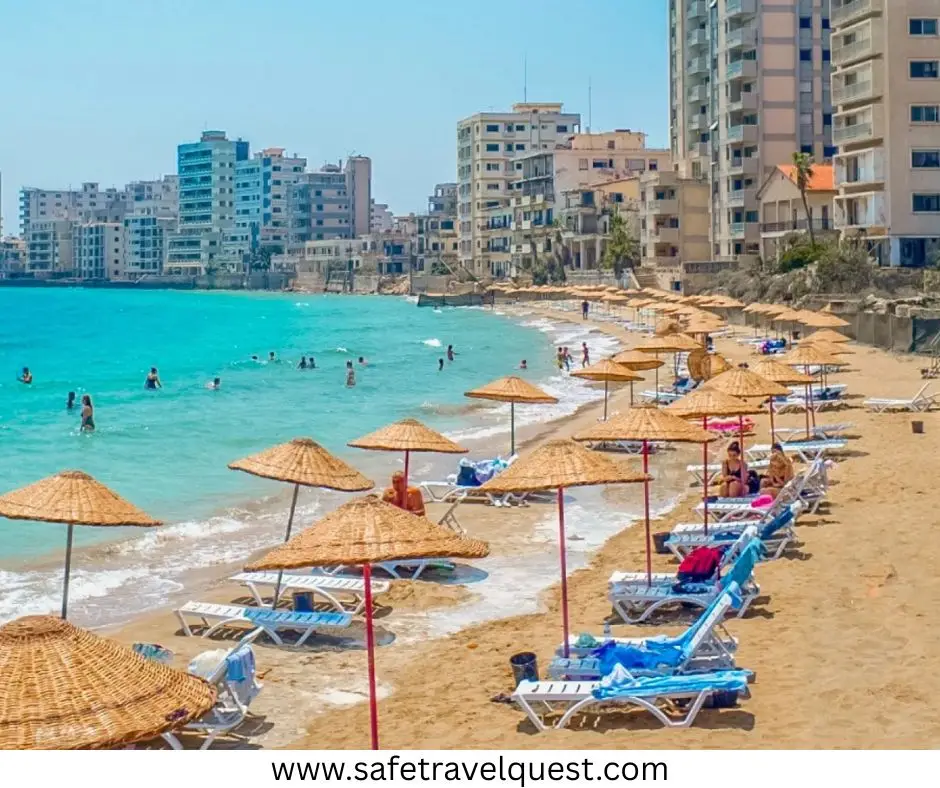
In addition to the price, passengers are provided with a significant superior service. Hotels with two-hour wait times during the month of July tend to have instant seating in the restaurants and the hotel personnel is not as stressed and can give a more personalized approach. To the value-sensitive luxury traveler, the autumn is the most economical month to travel in all of 2011.
Read:Travel Threetrees VN: Brand Research and Legitimacy Guide
The Most Popular Fall Beaches.
Autumn does not make all beaches equal. In order to make this trip successful, it is important to take into consideration such categories:
- Sheltered Coves: When you are in a colder part of the country, seek out beaches that have protection in the form of cliffs or dunes. Such natural windbreaks conserve the heat and enable people to sunbath even during cool weather.
- Urban Beaches: Miami Beach, Barcelona, or Sydney (as it enters its spring/summer) are all places that are open all year long. You will not encounter the problem of the ghost town of shut restaurants or services.
- Southern-Facing Beaches: In the Northern Hemisphere, south-facing beaches get the most direct sunlight in the shorter fall days which will reach additional hours of use outdoors.
Misconceptions about Fall Beach Travel.
There is a common myth that once September comes, it is too cold to go in the water. As a matter of fact, the sea frequently attains its hottest temperature during the end of August and holds on to it well into October. The water may even be more comfortable in the fall in such as the Mediterranean or the Gulf of Mexico than it would be in the early summer.
There is another myth that beach towns close. Whereas certain extremely seasonal boardwalks may be shut down, the main infrastructure, which is a hotel, grocery, and major restaurants, tends to stay operational to cater to the local population and year-round inhabitants. There might be less souvenir shops that are across the board, but the essential travel experience will not be lost.
Read:Health Certificate Pet Travel: Requirements and Guide 2026
Frequently Asked Questions
Is it too cold to go to the beach in the fall?
It depends on the latitude. Whereas the New England or UK beaches grow chilly soon, southern destinations such as Florida, Canary Islands and Caribbean are warm. In September, however, the water is strangely warm, as the ocean contrives all summer to warm.
Should it be bad time to swim in the fall?
In the south, fall is a great time to swim because it is usually warm, although there are increased risks since there are fewer lifeguards. Rip currents and weather changes should be more feared by the swimmers. The autumn months are also the season of hurricanes in tropical locations, and these hurricanes may present hazardous surfing situations.
Arethere beachside resorts that close in the fall?
The majority of large seaside resorts are still open, but specialized tourist “traps” and boardwalk entertainments can close. When the town is not in season, one can see a more realistic face of the town, as residents take back the capacity and the restaurants are able to provide more relaxed service of high quality without the rush of summer.
Is it safer or more risky to visit a beach during fall?
Fall is considered to be a riskier time on the beach as it is not crowded with people in order to see when a swimmer is struggling and guiding lifeguards are also not available. Moreover, fall climatic conditions usually cause heavier currents. Only active patrolled beaches should be swum by travelers and very shallow waters should be used.
Would it be cheaper to go to the beach during fall?
Fall is indeed one of the cheapest seasons to travel. As soon as the school starts, airlines and hotels tend to lower their prices to occupy the seats and rooms. It is often possible to get upscale rooms at a tenth of the price in mid-summer.
Final Travel Advice
The choice to visit the beach in fall is dependent on your own priorities of traveling. The fall will be disappointing or even risky when your idea is a typical family splash vacation with boardwalks that are high-energy and a lifeguard after every 50 yards. Nevertheless, when you are a traveler and you appreciate tranquility, cheaper prices, and the unfiltered nature of the ocean minus the tourists, the fall is arguably the best season of the year to come.
Never be in a hurry, before going out, make sure to check the schedules of local lifeguards and weather forecasts. You can get a more rewarding experience at the beach by going somewhere that suits the season like a southern facing cove or an urban beach that is open all the year round.
SEO Title: People Visit Beaches less in the Fall? Fall Travel Guide
Meta Description: Find out why people attend beaches less in the fall and why it could be the ideal season to go. Get information on the fall weather, safety measures and traveling cost benefits.

I am a passionate writer who creates engaging, creative, and meaningful content that informs, inspires, and connects with diverse audiences.